Use case

Watch every remote site without polling it

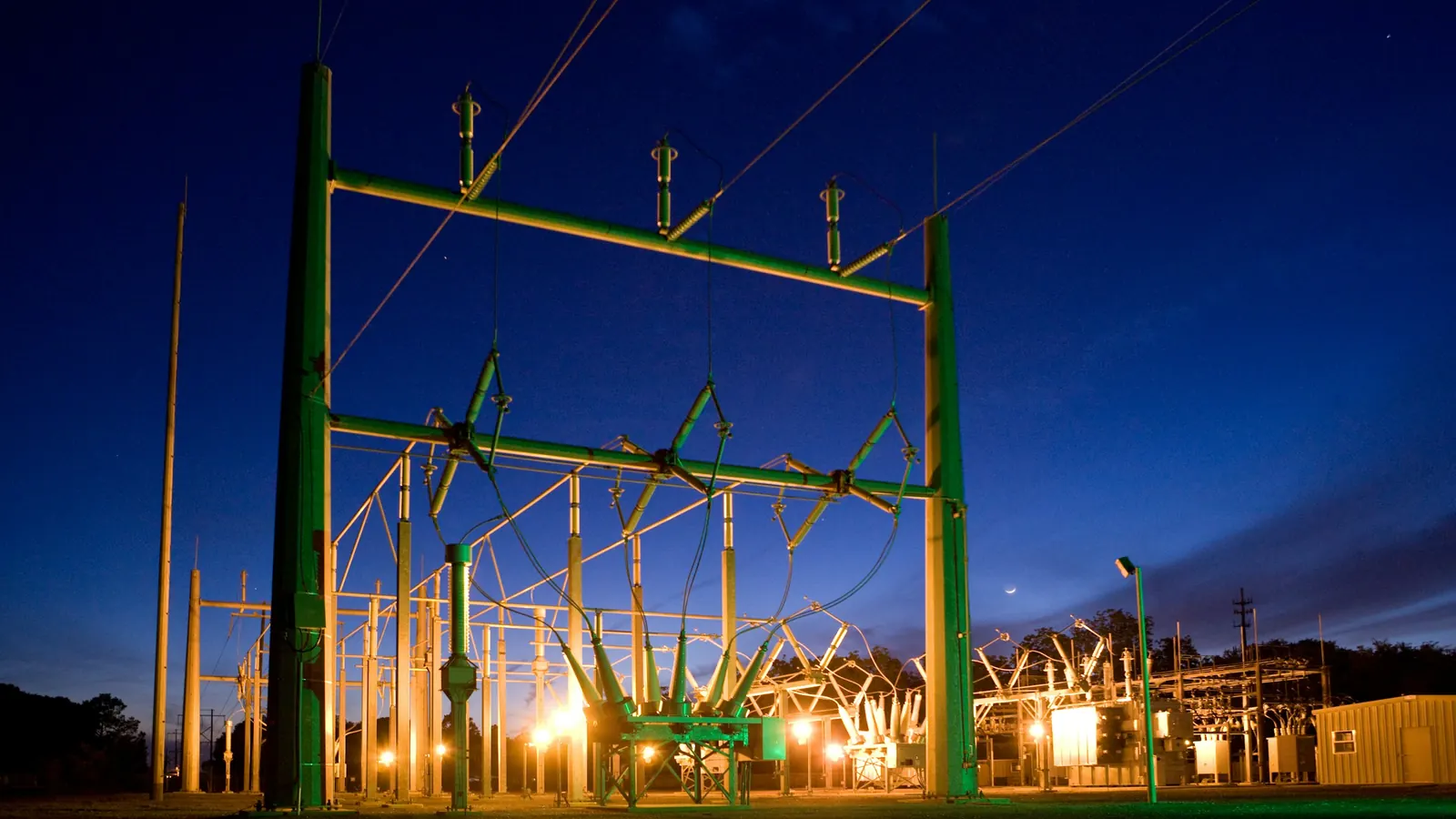
RTUs and edge gateways at wellheads, block valves, pumping stations and substations publish only what changed, over cellular or satellite. Your SCADA host, historian and on-call team subscribe to one broker — and know at once when a site goes quiet.

No card required

Example message

PUBLISH sites/dallas/well-114/telemetry

{"ts":"2026-10-22T06:14:05Z","tubing_psi":412,"casing_psi":188,"flow_mcfd":846,"batt_v":12.7,"cause":"deadband"}

QoS 1 · TLS 8883 · PUBACK

The problem

Polling remote sites burns bandwidth and still misses events

A poll-response SCADA host asks every RTU for every register on a fixed cycle, whether anything changed or not. Over cellular and satellite that means data costs, long scan times and gaps when a link drops mid-poll. Every new site adds another VPN tunnel and another point-to-point connection to the host — and when a site goes silent, nobody can tell a dead modem from a quiet well until the next scan fails.

How it works

  1. 1

    Edge gateway on site

    A gateway or MQTT-capable RTU reads the PLC, flow computer and sensors locally over Modbus or DNP3 and turns registers into named values on the site’s topic.

  2. 2

    Report by exception

    It publishes only when a value leaves its deadband, plus a periodic integrity message — over one outbound TLS connection, with no inbound ports and no polling from the control room.

  3. 3

    One broker, many consumers

    SCADA/HMI, the historian, leak detection and production accounting subscribe to the same topics. Adding a consumer adds no traffic on the field link.

  4. 4

    Alarms and commands

    Threshold rules flag high pressure or low battery and notify on-call staff; Last Will marks a site offline. Setpoints go back down on a command topic only your SCADA host may publish to.

ConnectMQ

What it needs from the broker

Made for unreliable links

Small MQTT packets, keep-alive tuned to the link, QoS 1 for alarms and persistent sessions, so commands queued while a site was offline are delivered when it reconnects.

Know when a site goes dark

Each gateway registers a Last Will. If its connection drops without a clean disconnect, ConnectMQ publishes an offline status — retained, so every dashboard sees the current state immediately.

Per-site credentials and ACLs

Every gateway has its own username and password and may publish only under its own site topic; command topics are writable only by your SCADA host. TLS on every connection.

Sparkplug B or plain JSON

ConnectMQ is a standard MQTT 3.1.1 and MQTT 5 broker, so Sparkplug B edge nodes — which rely on Last Will for their death certificates — can share an instance with simple JSON publishers.

What you get

  • Far less traffic on cellular and satellite links than fixed-cycle polling
  • An offline site is flagged by the broker, not by the next failed scan
  • New sites come online without another VPN tunnel to the control room
  • SCADA, historian and analytics work from the same live data
Example topics
sites/dallas/well-114/telemetry
sites/dallas/well-114/alarms
sites/dallas/well-114/status        (retained)
sites/dallas/well-114/cmd/choke

Industries that run this use case

Frequently asked questions

Can MQTT replace Modbus or DNP3 polling for remote sites?

Not at the device level — RTUs and flow computers keep speaking Modbus or DNP3 locally. MQTT replaces the long-haul link: an edge gateway polls on site and publishes changes to the broker, so the WAN carries only report-by-exception traffic instead of full scan cycles.

Does MQTT work over satellite and low-bandwidth cellular links?

Yes — MQTT was originally designed for oil pipeline monitoring over satellite. The fixed header is two bytes, sessions survive reconnects, and you choose keep-alive and QoS per message type. If every byte counts, batch or compress payloads at the gateway.

Can I use Sparkplug B with ConnectMQ?

Yes. Sparkplug B is a specification on top of standard MQTT, and ConnectMQ is a standard broker, so Sparkplug edge nodes and host applications such as Ignition connect and use their spBv1.0 topics. ConnectMQ routes the Protobuf payloads unchanged; decoding happens in your host application.

Build it on ConnectMQ

Start on the Free plan — no card required — connect your first devices today and upgrade when you go live.