Grid and water network data, live and shared

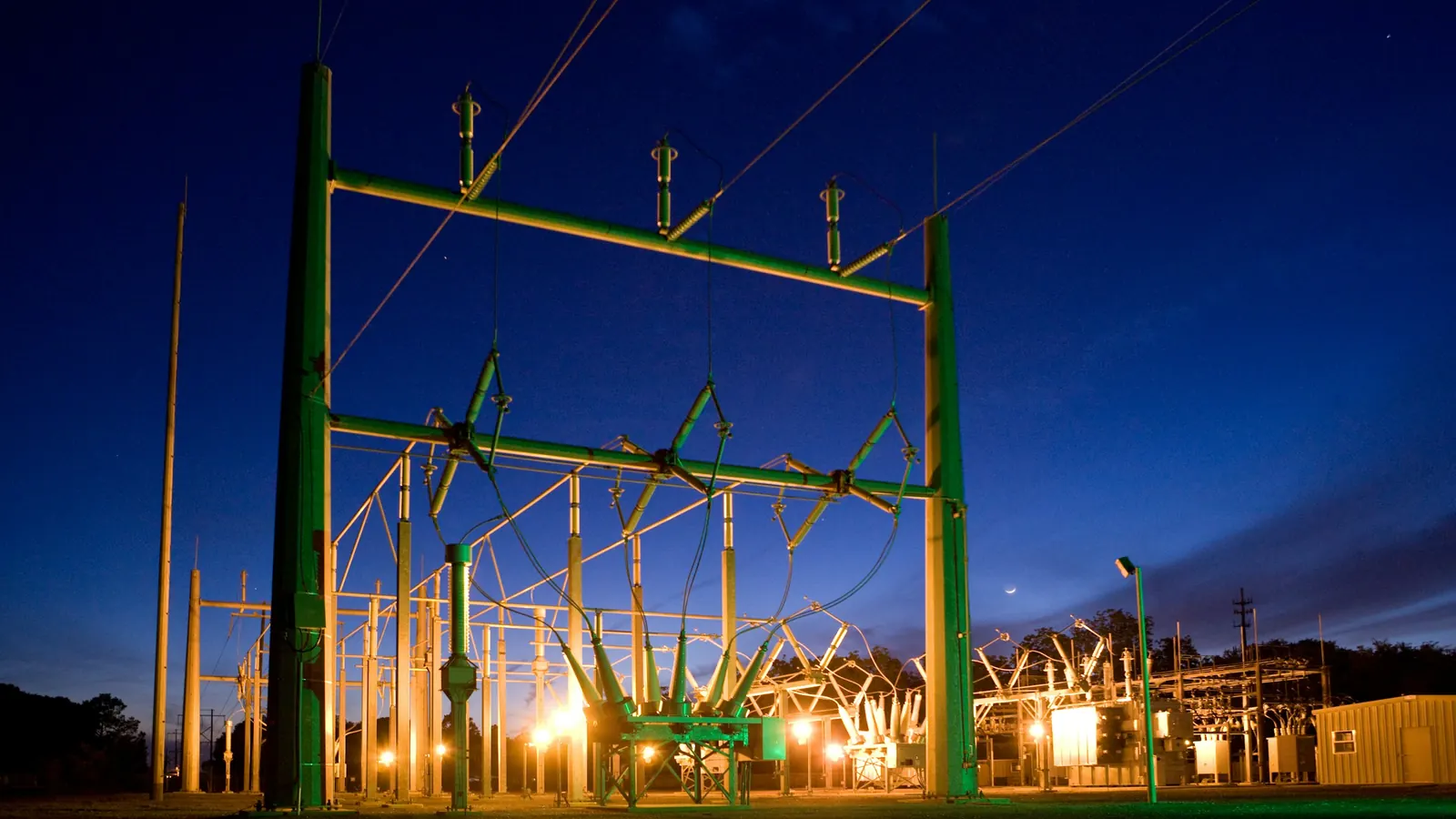
Substation gateways, smart meter head-ends, pumping stations and pressure loggers publish to one MQTT broker. SCADA, MDM, GIS, outage management and asset analytics each subscribe to what they need.

No card required

The challenge

Networks spread across a whole territory

  1. 01

    Thousands of remote sites

    Secondary substations, reservoirs, lift stations and PRVs are scattered over hundreds of kilometres, many on cellular links. Getting their data in usually means another RTU poll or a vendor portal nobody else can use.

  2. 02

    Data stuck in silos

    SCADA sees the substation, the AMI head-end sees the meters, GIS knows the network and asset teams keep spreadsheets. Linking a pressure drop or a voltage sag to what customers experience takes phone calls.

  3. 03

    Ageing assets, thin crews

    Transformers, pumps and switchgear run for decades, and field crews can’t visit them all. Problems surface as outages, main bursts and customer calls instead of early warnings.

Why ConnectMQ

Why utilities choose ConnectMQ

A broker that sits next to your SCADA — not in place of it — and gets field data to every system that needs it.

  • A private, managed broker

    Your own isolated MQTT 3.1.1 and 5 instance over TCP, TLS and WebSocket. Your team runs the network, not the message infrastructure.

  • Security per site and system

    Every gateway, RTU and application has its own credentials, and per-topic ACLs stop a pumping station from writing to substation topics or give a contractor app read-only access. Every connection is TLS-encrypted.

  • One namespace, many consumers

    Organise topics by region, site and asset — the ISA-95 workspace helps — publish once, and let SCADA, MDM, GIS and analytics subscribe in parallel. Adding a consumer never touches the field.

  • Alarms that reach people

    Threshold rules on transformer temperature, reservoir level or network pressure send alerts and notifications, Last Will flags a site that stops reporting, and retained values keep dashboards complete.

Architecture

From the network to your control room

  • Substation gateways & IEDs
  • Smart meters & AMI head-ends
  • Pumping stations & reservoirs
  • Pressure & flow loggers
ConnectMQMQTT 3.1.1 · 5 · TLS
  • SCADA / ADMS
  • MDM & billing
  • GIS & outage management
  • Asset analytics & work orders
Example topic namespace
grid/north/ss-114/tx-1/condition
grid/north/ss-114/status                 (retained)
grid/ami/meter-58210342/reading          (retained)
water/zone-7/ps-03/pump-2/state          (retained)
water/zone-7/ps-03/pump-2/commands

Utilities: frequently asked questions

Can MQTT replace DNP3 or IEC 61850 in a utility?

Not for protection and real-time control, and it doesn’t need to. DNP3, IEC 60870-5-104 and IEC 61850 stay between the field and SCADA. MQTT is the distribution layer on top: a gateway publishes selected values once, and analytics, asset management, GIS and dashboards subscribe without adding load to the SCADA front end.

How do smart meters send data over MQTT?

Some meters and communication modules publish MQTT directly; more often the AMI head-end or a data concentrator publishes interval readings, events and last-gasp outage messages to topics per meter or feeder. MDM, billing and outage management subscribe in parallel, and retained messages keep each meter’s last reading available.

How do I monitor water pumping stations remotely with MQTT?

Put an MQTT-capable RTU or edge gateway in the station, read the PLC and VFDs over Modbus, and publish pump state, flow, pressure, wet-well or reservoir level and energy use to ConnectMQ over cellular. Threshold rules alert on a low level or a tripped pump, and Last Will tells you when a station goes silent.

Is a managed MQTT broker secure enough for utility data?

ConnectMQ gives you a private broker instance, TLS on every connection, separate credentials per device and application and per-topic ACLs. Field sites connect outbound, so no inbound ports are opened. Use it for monitoring and analytics data, keep protection and control in your SCADA, and include the broker in your own security assessment.

Pilot your network data on ConnectMQ

Start on the Free plan — no card required. Connect a few substations or pumping stations, then move to Basic or Scale when you go live. No overage charges, cancel anytime.

What Is a Managed MQTT Broker? Benefits, Costs and How to Choose

A managed MQTT broker lets you run IoT messaging without operating servers, certificates or patches yourself. Compare managed and self-hosted, pick a deployment model and connect your first client in five minutes.

10 min read