Food plant data, from line to cold chain

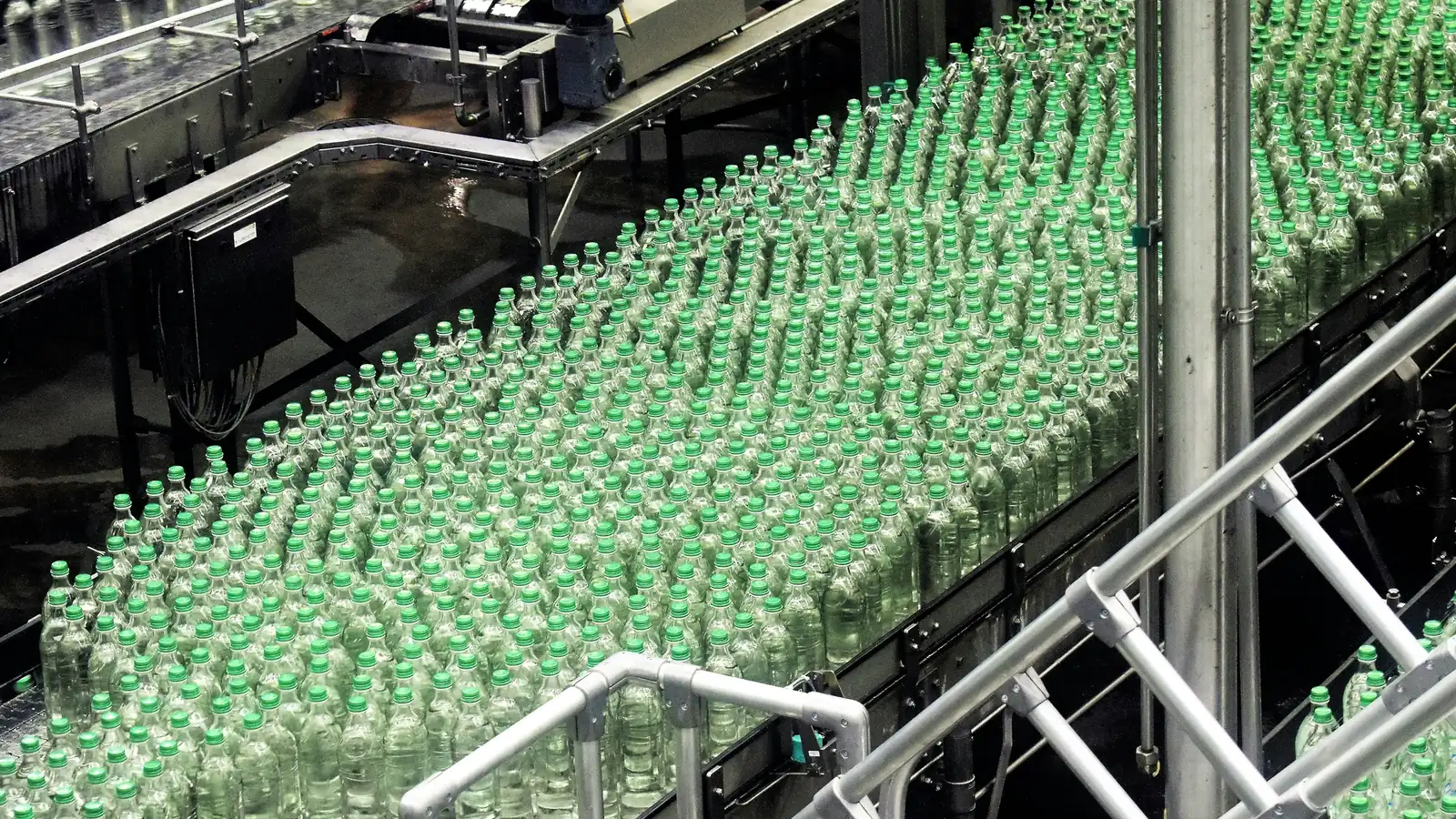
Fillers, cold rooms, silos, CIP skids and refrigerated trucks publish over MQTT; your MES, food-safety records, maintenance and energy tools subscribe. ConnectMQ runs the broker, so your team can focus on throughput, quality and waste.

No card required

The challenge

What gets in the way on the plant floor

  1. 01

    Mixed lines, mixed controllers

    A plant grows line by line: a 20-year-old filler next to a new case packer, each with a different PLC and HMI. One view of stoppages and output means stitching together exports at the end of the shift.

  2. 02

    Temperatures on paper

    Cold rooms, blast freezers, pasteurisers and reefers are still often checked by hand or by loggers read after the fact — a problem shows up at the next check, not when the temperature starts to rise.

  3. 03

    Energy and water you can’t see

    Refrigeration, steam, compressed air and CIP are among the biggest running costs of a food plant, yet they are metered monthly per site instead of per line, shift or product.

Why ConnectMQ

Why food and beverage teams choose ConnectMQ

One managed MQTT broker for the line, the cold store and the trucks: every device publishes once, and every system that needs the data subscribes.

  • No broker to run

    A private, isolated broker instance managed for you. Your controls engineers connect gateways in an afternoon instead of building and patching servers at every plant.

  • Secure by default

    TLS, credentials per gateway and per-topic ACLs. Your refrigeration contractor or co-packer can publish to their own topics without seeing the rest of the plant.

  • One namespace from line to truck

    The ISA-95 topic workspace models site, area, line and machine, and the reefers in your fleet publish alongside — one tree for OEE, food safety and logistics.

  • Alerts while there is time to act

    Threshold rules notify the shift lead when a cold room warms, a CIP return temperature drops or a filler stops — so someone can step in before the next scheduled check.

Architecture

From the line to your systems

  • Filler & packer PLCs
  • Cold room & reefer sensors
  • Silos, tanks & CIP skids
  • Energy & water meters
ConnectMQMQTT 3.1.1 · 5 · TLS
  • MES & OEE dashboards
  • Food-safety & HACCP records
  • CMMS & maintenance
  • ERP & energy reporting
Example topic namespace
food/dallas/filling/line-2/filler/state     (retained)
food/dallas/filling/line-2/filler/counts
food/dallas/cold-store/room-3/temperature
food/dallas/silos/silo-4/level

Food & Beverage: frequently asked questions

How do I monitor cold room temperatures with MQTT?

Fit temperature probes to a gateway or Wi-Fi sensor that publishes readings every minute to topics such as food/dallas/cold-store/room-3/temperature. Retained messages keep the last value on every dashboard, threshold rules alert when a room leaves its range, and your food-safety system subscribes to keep the record.

Can MQTT feed HACCP temperature records?

Yes — MQTT can deliver the readings for your critical control points to the system that keeps your HACCP records. ConnectMQ transports the data; storing, reviewing and signing off the records stays in your food-safety software and procedures.

How do I connect older PLCs on a food production line to MQTT?

Use an edge gateway — Node-RED, Kepware, Ignition or a vendor box — that reads the PLC over Modbus, OPC UA or S7 and publishes state, counts and alarms. The line stays as it is; only the gateway connects out to ConnectMQ over TLS.

Is MQTT a good fit for OEE in food and beverage?

Yes. Machines publish state, counts and rejects as they happen, and your OEE dashboard or MES subscribes and calculates availability, performance and quality per line and shift. Adding a line means adding topics, not building a new integration.

Pilot one line or cold store on ConnectMQ

Start on the Free plan — no card required. Connect a line, a cold room or a few reefers, see the data live, then move to Basic or Scale when you go live. No overage charges, cancel anytime.

What Is a Managed MQTT Broker? Benefits, Costs and How to Choose

A managed MQTT broker lets you run IoT messaging without operating servers, certificates or patches yourself. Compare managed and self-hosted, pick a deployment model and connect your first client in five minutes.

10 min read